
















Insects
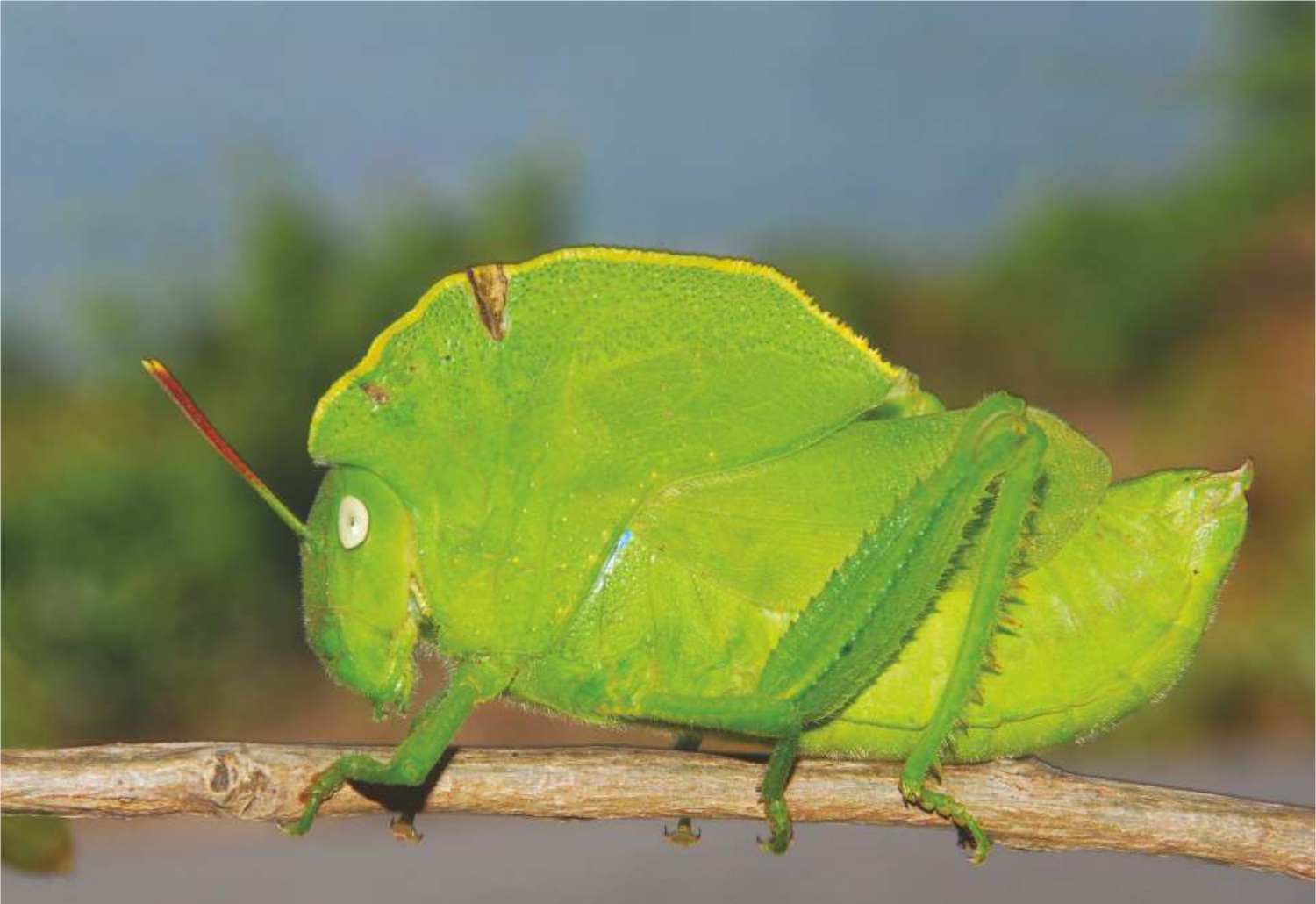
Hooded Grasshopper (Teratodes monticolli)
A unique grasshopper with a striking hood-like structure, native to Indian forests.
The Hooded Grasshopper is easily recognized by its helmet-like pronotum, giving it a distinctive appearance. Found in the dense vegetation of Radhanagri, it feeds primarily on leaves and plays a subtle yet important role in the food chain. Its fascinating look makes it a favorite among wildlife photographers and nature enthusiasts.
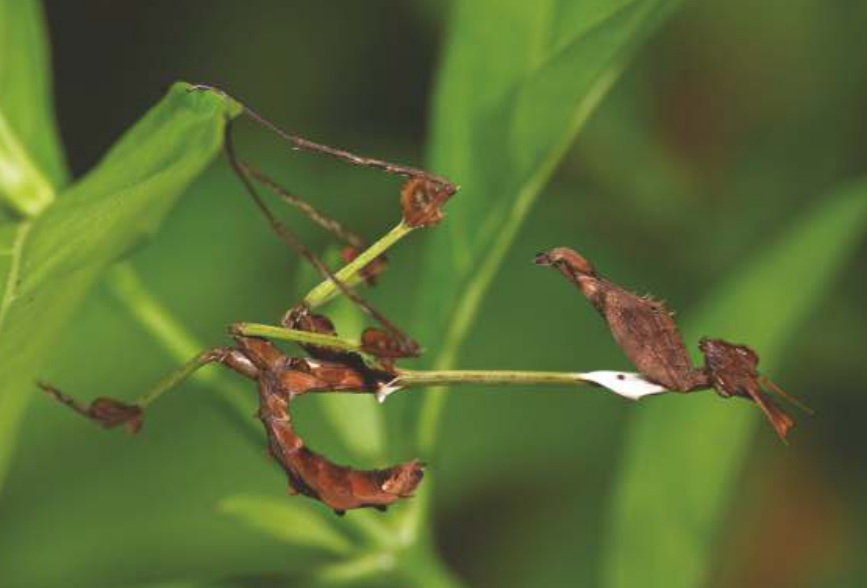
Orchid Mantis (Gongylus sp.)
A mesmerizing mantis that mimics orchid petals to lure its prey.
The Orchid Mantis is a master of camouflage, often mistaken for a blooming flower due to its petal-like limbs and delicate coloration. Though rare, it can sometimes be spotted in the forested patches around Radhanagri. This insect not only showcases nature’s artistic brilliance but also uses its mimicry to ambush unsuspecting insects, playing both beauty and predator in the ecosystem.
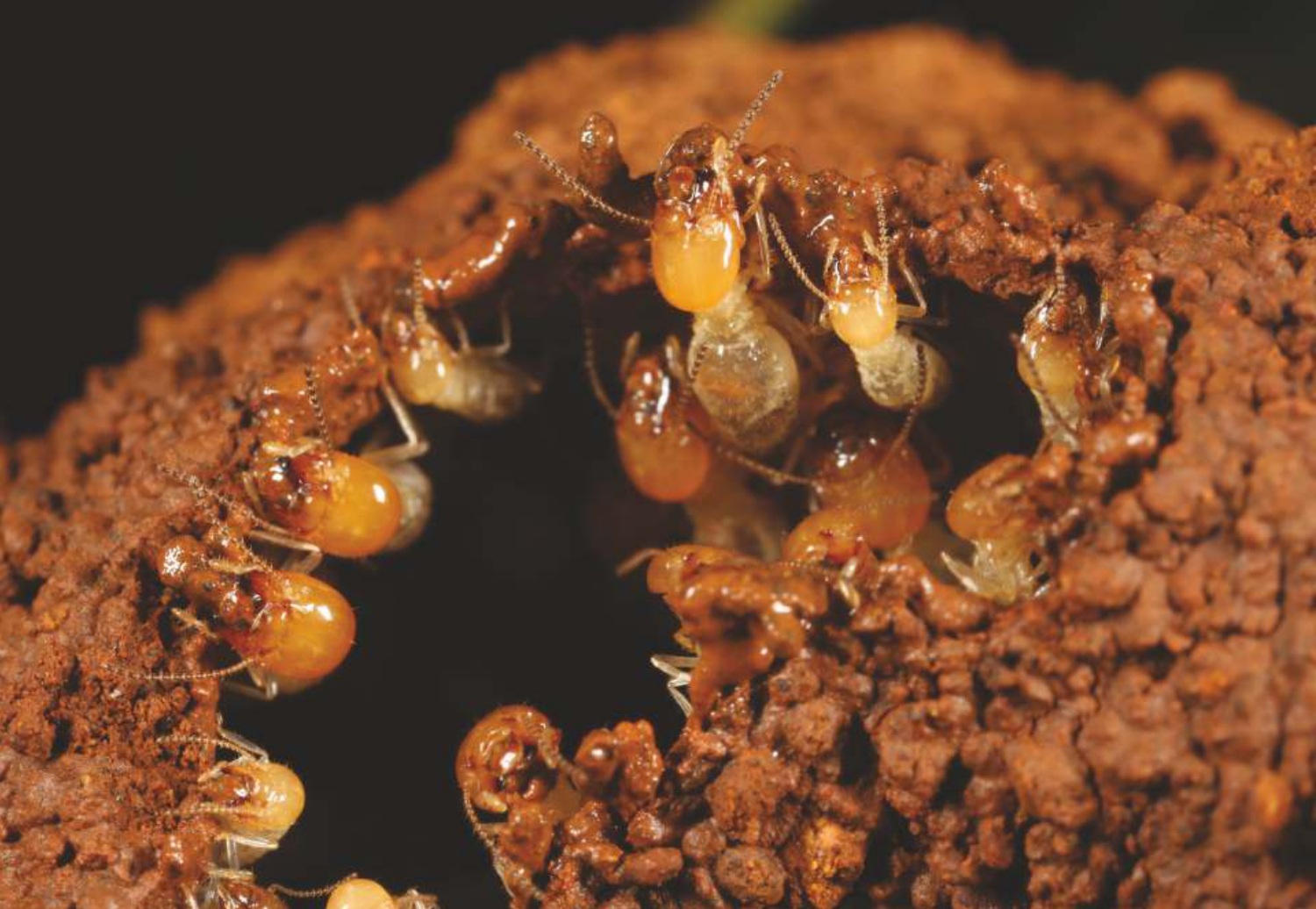
Termite
Silent architects of the forest floor, vital to the ecosystem's recycling process.
Found abundantly in Radhanagri’s moist forest soils and decaying logs, termites play a crucial role in breaking down dead wood and organic matter. These social insects live in colonies and are master builders of intricate mud tunnels and mounds. By recycling plant material, they enrich the soil and maintain forest health.
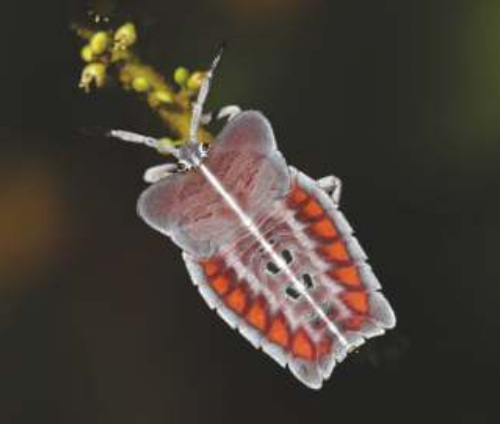
Plant Bug (Sapindus sp.)
A tiny sap-feeding insect found on native trees in the Radhanagri forests.
The Plant Bug, often seen on Sapindus (soapnut) trees in Radhanagri, feeds on plant sap using its piercing-sucking mouthparts. Though small in size, it plays a significant role in the food web, serving as prey for birds and other insectivores. Its presence indicates a healthy balance between flora and fauna in the forest ecosystem.
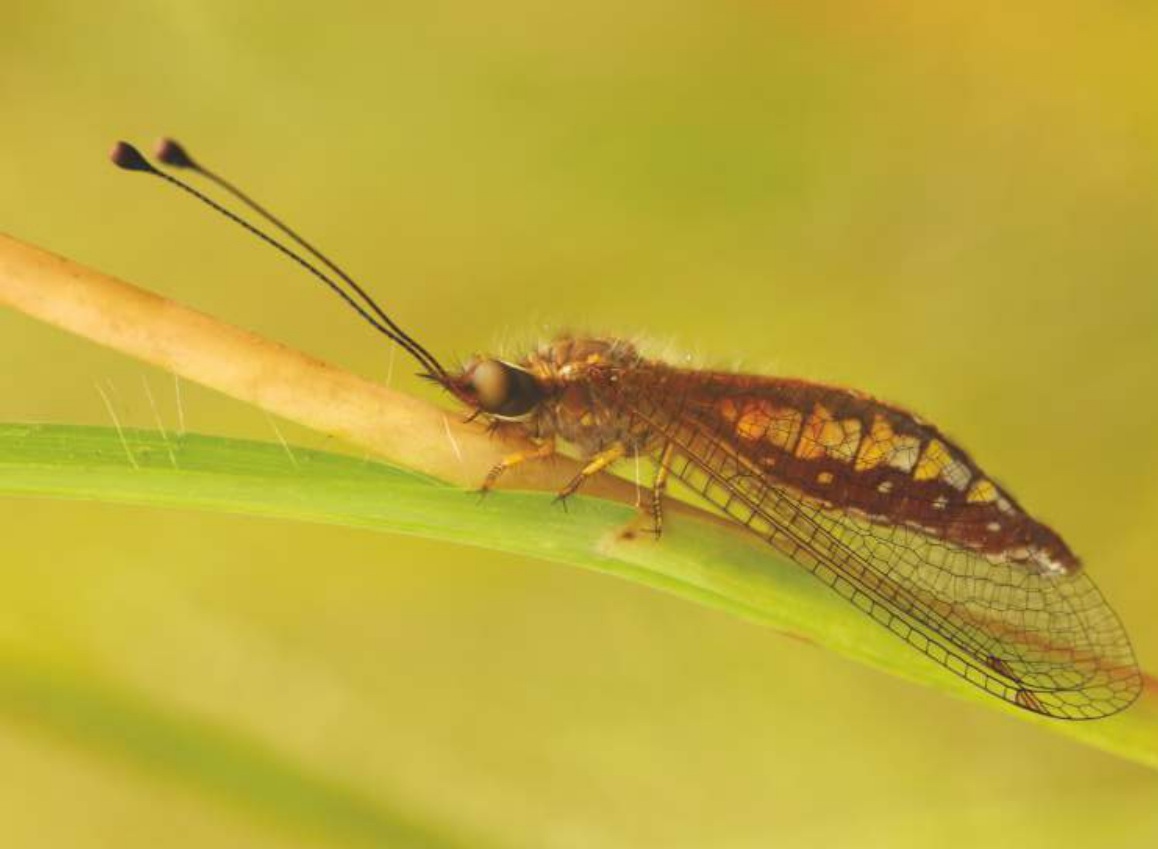
Owlfly
A dragonfly-like predator with large eyes and delicate wings, active at dusk.
Often mistaken for dragonflies, Owlflies are aerial hunters found in the twilight hours around Radhanagri’s open forest paths and clearings. With their long antennae, bulging eyes, and lacy wings, they prey on smaller insects during flight. Their unique appearance and nocturnal behavior make them a fascinating part of the local insect biodiversity.
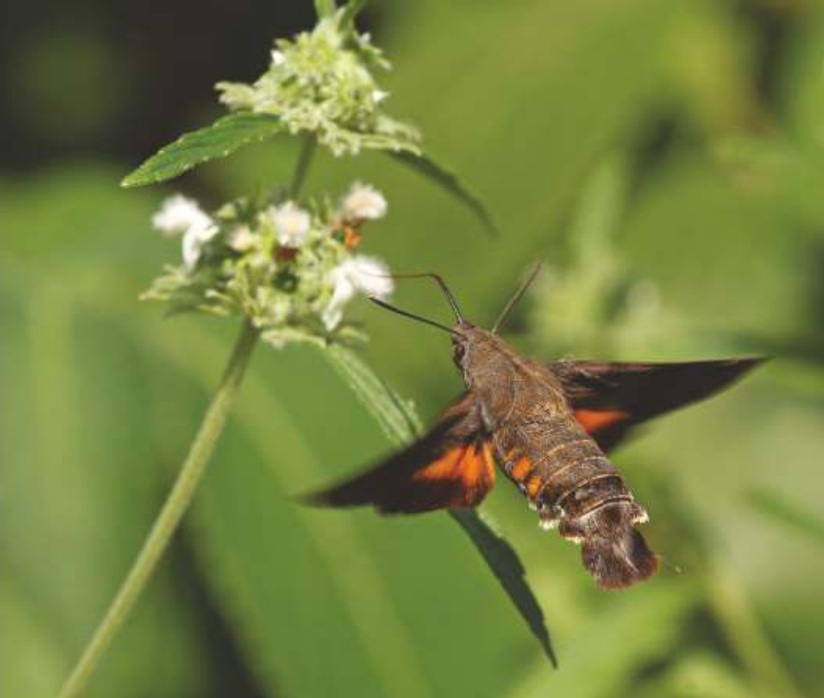
Hummingbird Hawk Moth
A fast-flying moth that mimics a hummingbird while feeding on flowers.
Seen hovering over flowers in the forests of Radhanagri, the Hummingbird Hawk Moth is often mistaken for an actual hummingbird due to its rapid wing beats and ability to hover mid-air. Active mostly during the day and at dusk, it feeds on nectar using its long proboscis. Its unique flight behavior and ecological role as a pollinator make it one of the most fascinating insects in the region.

Giant Carpenter Bee (Xylocopa latipes)
A large, buzzing pollinator that nests in wood and helps native plants thrive.
The Giant Carpenter Bee is one of the largest bee species found in Radhanagri, easily identified by its loud buzz and shiny black body. Unlike honeybees, it nests by boring into dead wood or bamboo. Despite its intimidating size, it’s a gentle giant that plays a vital role in pollinating native forest plants, contributing to the ecosystem’s regeneration.
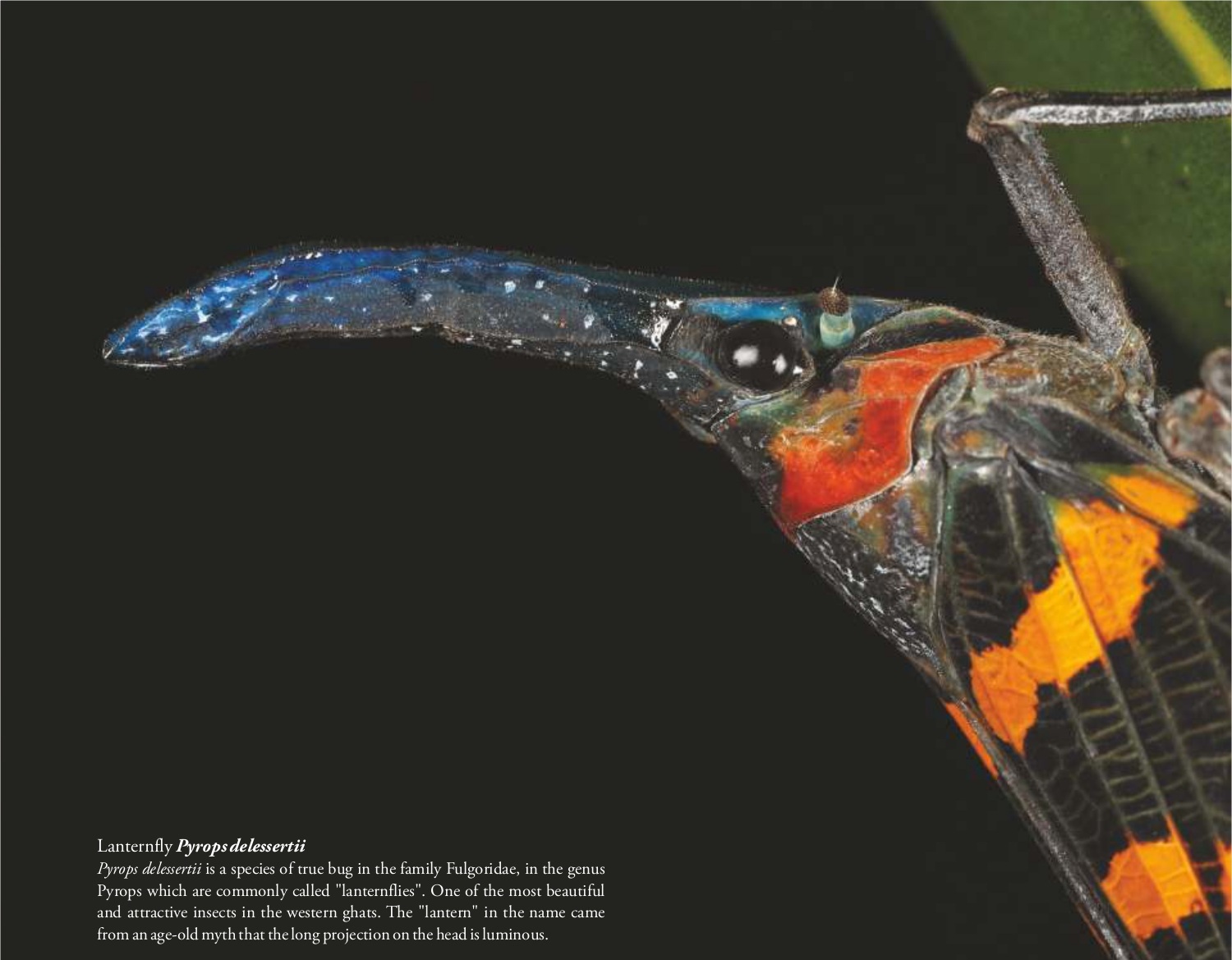
Lanternfly (Pyrops delessertii)
A beautifully patterned insect known for its extended snout and tree-sap feeding habit.
Found clinging to tree trunks in the dense forests of Radhanagri, the Lanternfly is famous for its elongated, snout-like head and vibrant wing patterns. Despite its name, it doesn’t emit light. It feeds on tree sap using its piercing mouthparts and remains motionless for hours, blending into the bark. Its exotic appearance makes it a favorite subject for macro photography and forest explorers.
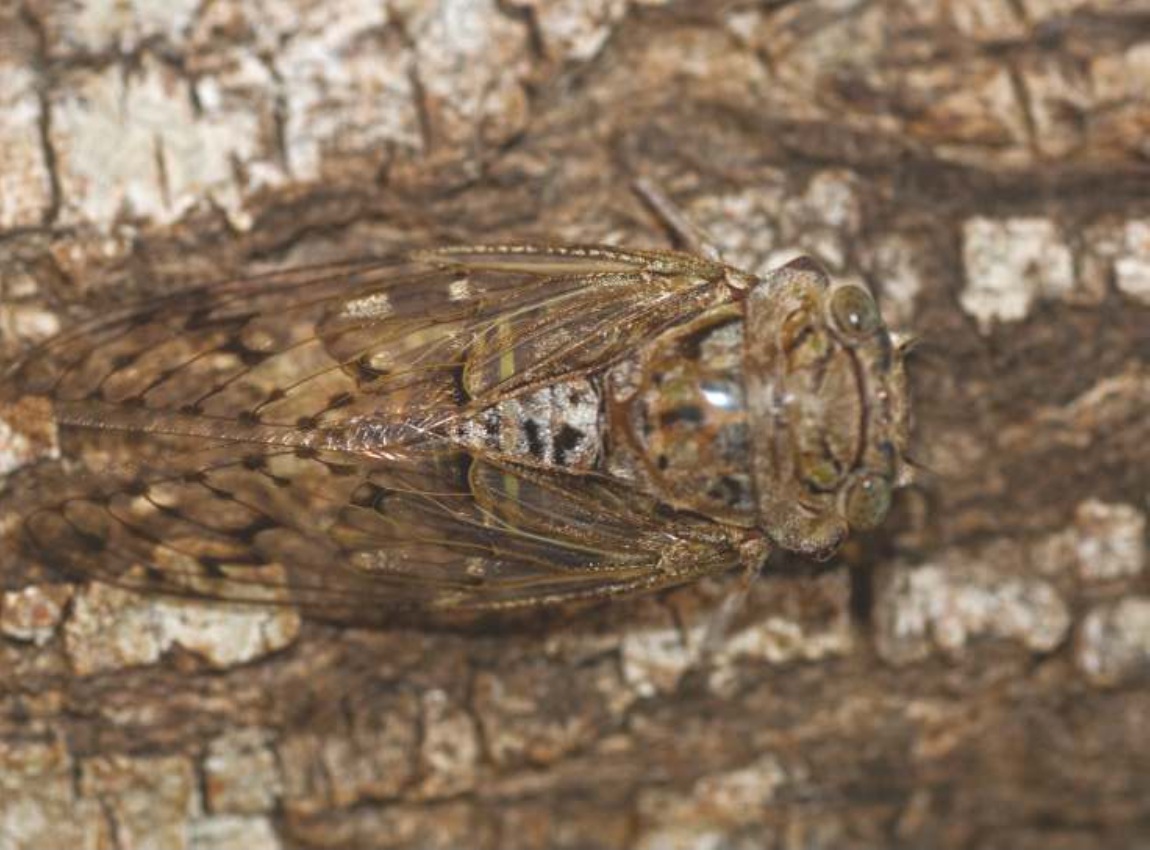
Cicada
A loud-singing insect known for its rhythmic buzzing in forest canopies.
Cicadas are easily heard before they’re seen — their high-pitched calls echo through the forests of Radhanagri, especially during summer. These insects spend most of their lives underground and emerge to mate, producing one of nature’s most iconic sounds. Their presence marks seasonal changes and they serve as a food source for birds, reptiles, and mammals.
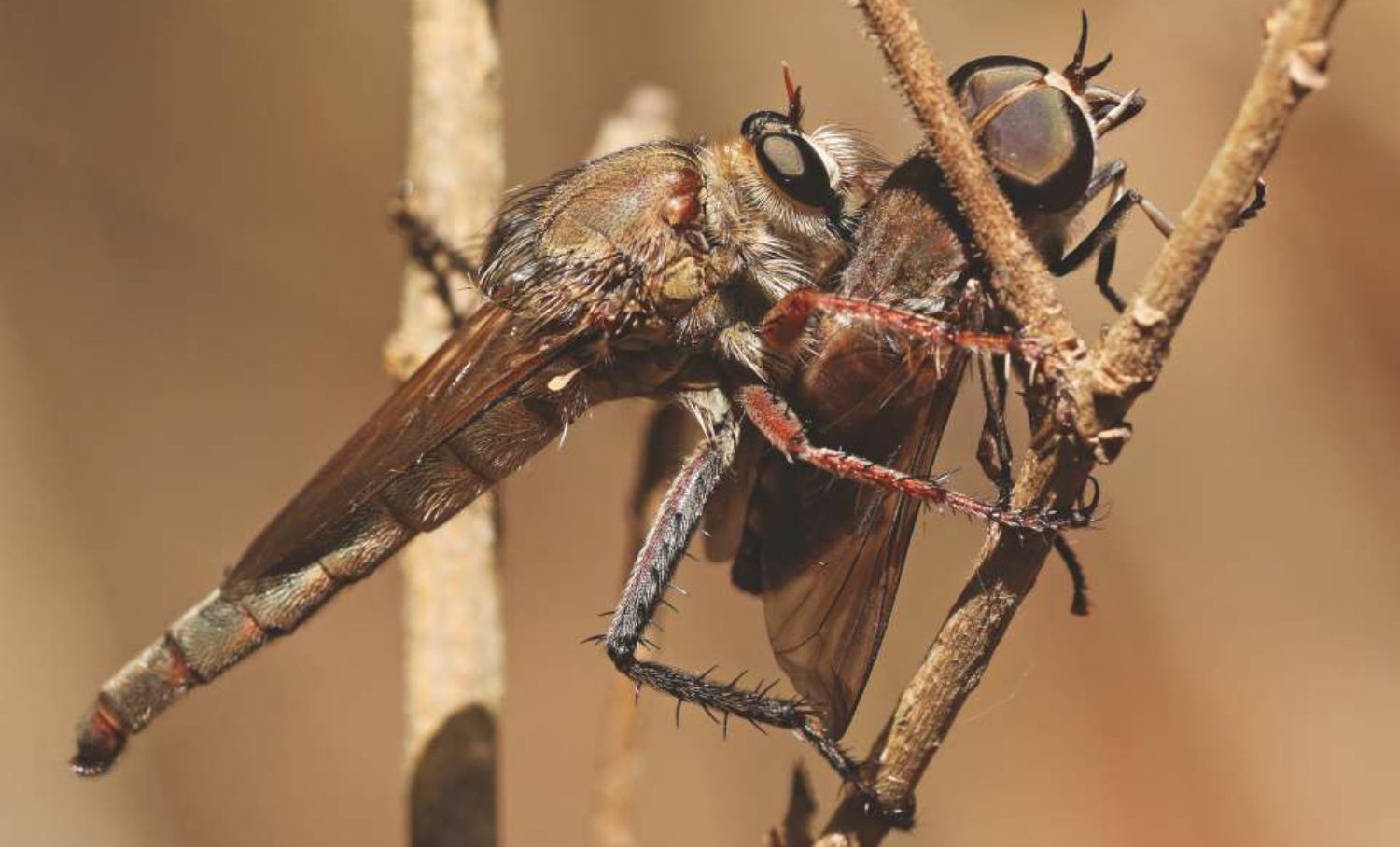
Robber Fly
A fierce aerial predator known for hunting other insects mid-flight.
Robber Flies are swift and aggressive hunters often spotted in the open forest patches of Radhanagri. With strong legs and a sharp proboscis, they capture and inject enzymes into their prey to liquefy and consume it. Their bristly face and sharp vision make them one of the top insect predators, playing a key role in maintaining insect population balance.
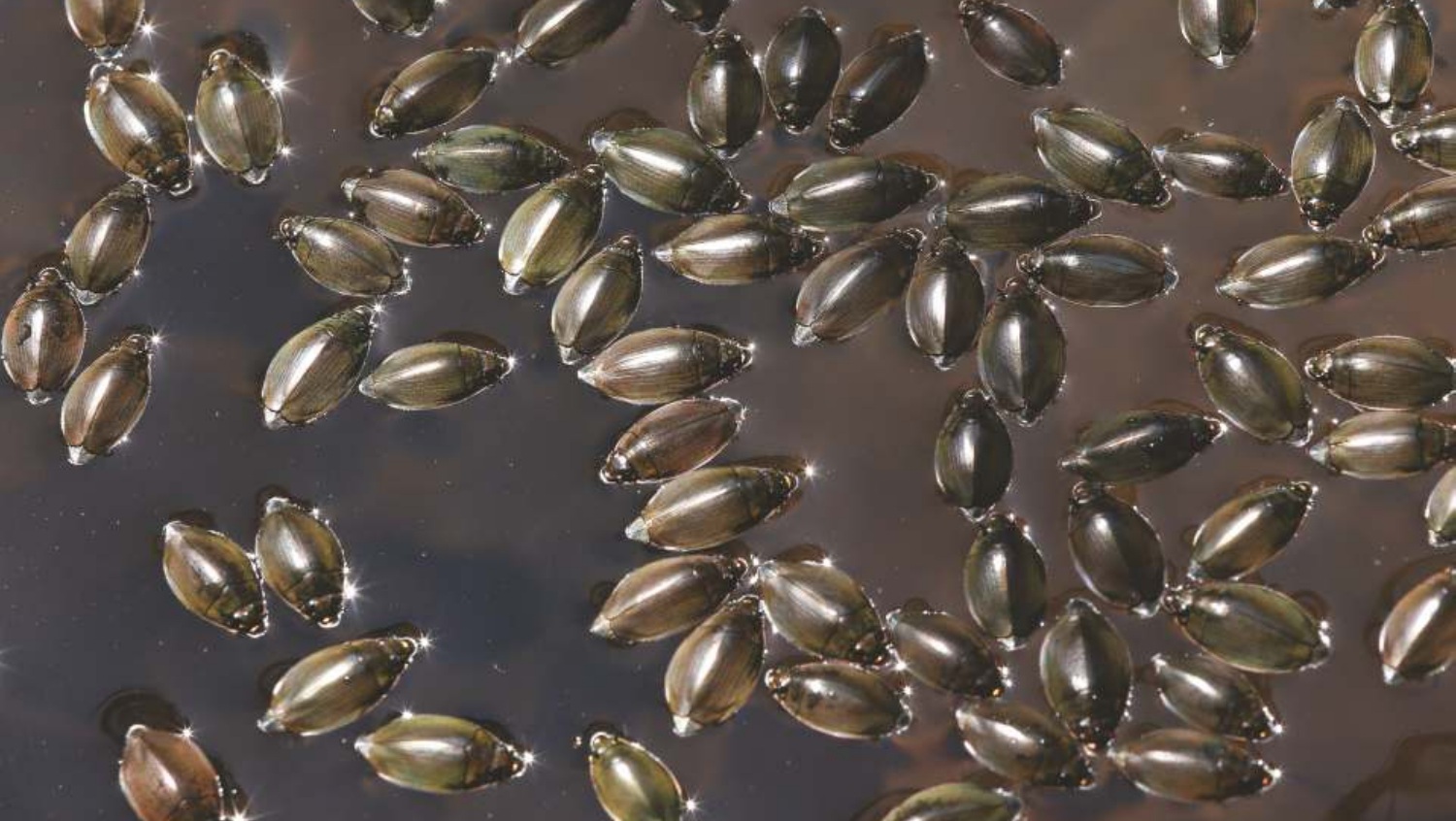
Whirligig Beetles (Dineutus sp.)
Fast-moving aquatic beetles that spin in circles on water surfaces.
Commonly seen in calm forest streams and ponds of Radhanagri, Whirligig Beetles are known for their rapid, circular swimming patterns. With divided eyes — one half for above water, one for below — they are well-adapted to aquatic life. Feeding on insects that fall into the water, they play an essential role in keeping forest water bodies clean and balanced.
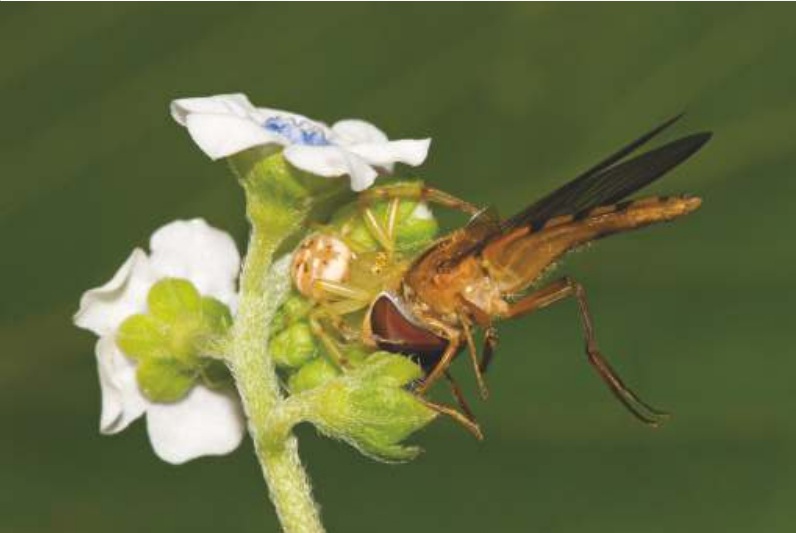
The Spider and the Bee
A dramatic moment from the wild—nature’s food chain in action.
Captured in the heart of Radhanagri, this image shows a spider ambushing a bee — a raw display of predator-prey interaction. While the bee plays a vital role as a pollinator, the spider maintains ecological balance by feeding on insects. Such moments highlight the complexity and harmony of forest ecosystems where every creature has its role.

Catopsilia pomona (Lemon Emigrant)
A swift-moving yellow butterfly often seen fluttering near forest edges.
The Lemon Emigrant is a bright yellow butterfly frequently spotted around the open clearings and trails of Radhanagri. Known for its rapid flight and seasonal migrations, it visits various flowering plants for nectar. This species plays a vital role in pollination and adds a splash of color to the forest landscape, especially during the monsoon and post-monsoon months.
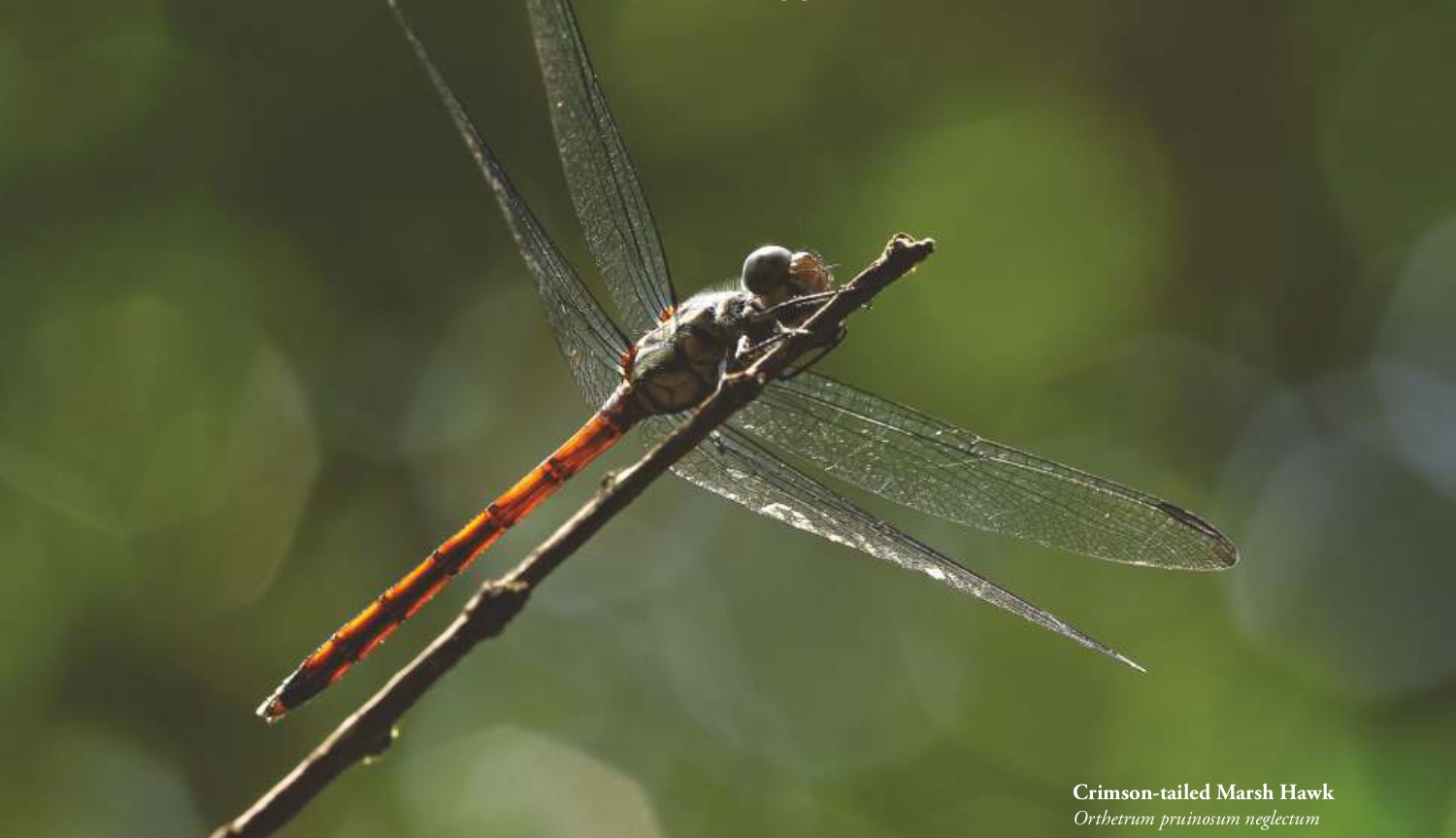
Dragonflies
Agile aerial hunters that thrive near Radhanagri’s ponds and forest streams.
Dragonflies are commonly seen darting over water bodies and forest paths in Radhanagri. With their vivid colors and transparent wings, they are expert fliers and skilled predators, feeding on mosquitoes and other small insects. Their presence is a strong indicator of a healthy ecosystem, especially in areas with clean, unpolluted water.
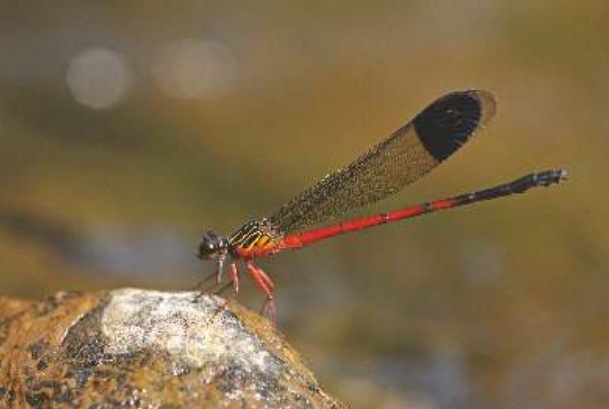
Malabar Torrent Dart (Euphaea fraseri)
A striking damselfly found along fast-flowing forest streams in the Western Ghats.
The Malabar Torrent Dart is a beautifully colored damselfly native to the Western Ghats and often seen near clear, shaded streams in Radhanagri. Males display metallic blue-black bodies with bright wing patches, while females are more subtly colored. Sensitive to water quality, their presence indicates a clean and healthy freshwater ecosystem, making them vital bioindicators.
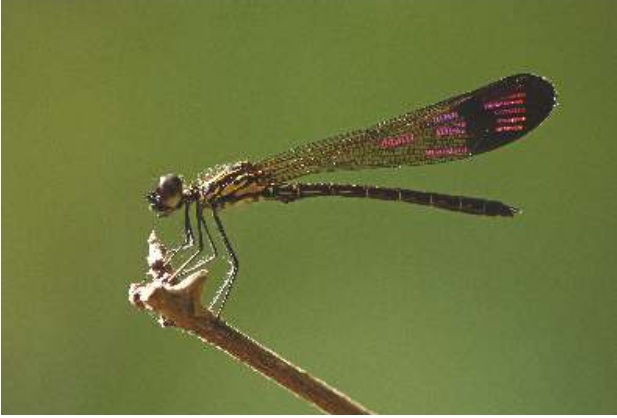
Stream Ruby (Heliocypha bisignata)
A dazzling damselfly with ruby-red flashes, seen dancing near forest streams.
The Stream Ruby is a jewel-toned damselfly often found flitting along the sunlit forest streams of Radhanagri. Males flaunt bright ruby-red wing spots and metallic blue bodies, while females are more subtly marked. These delicate insects are highly sensitive to habitat purity, making them important indicators of stream health and biodiversity in the Western Ghats.